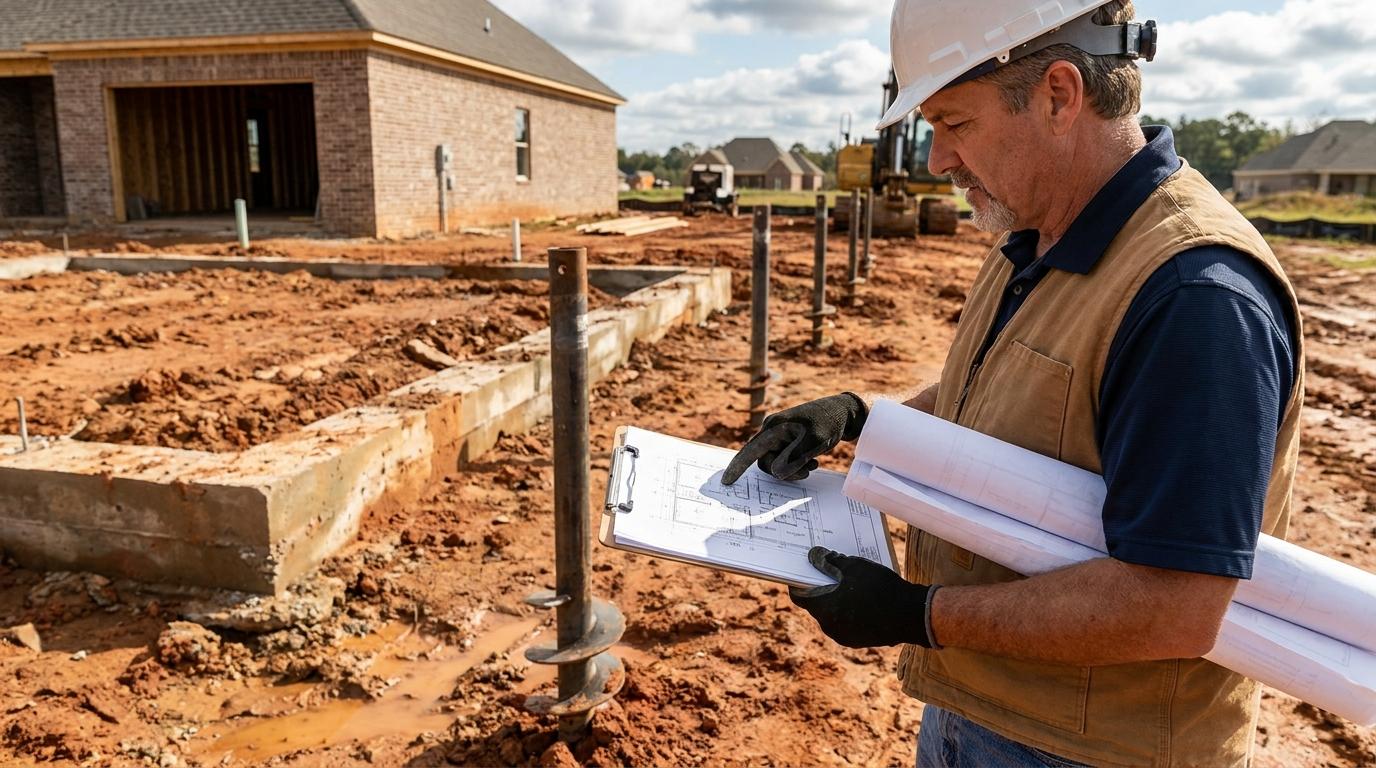
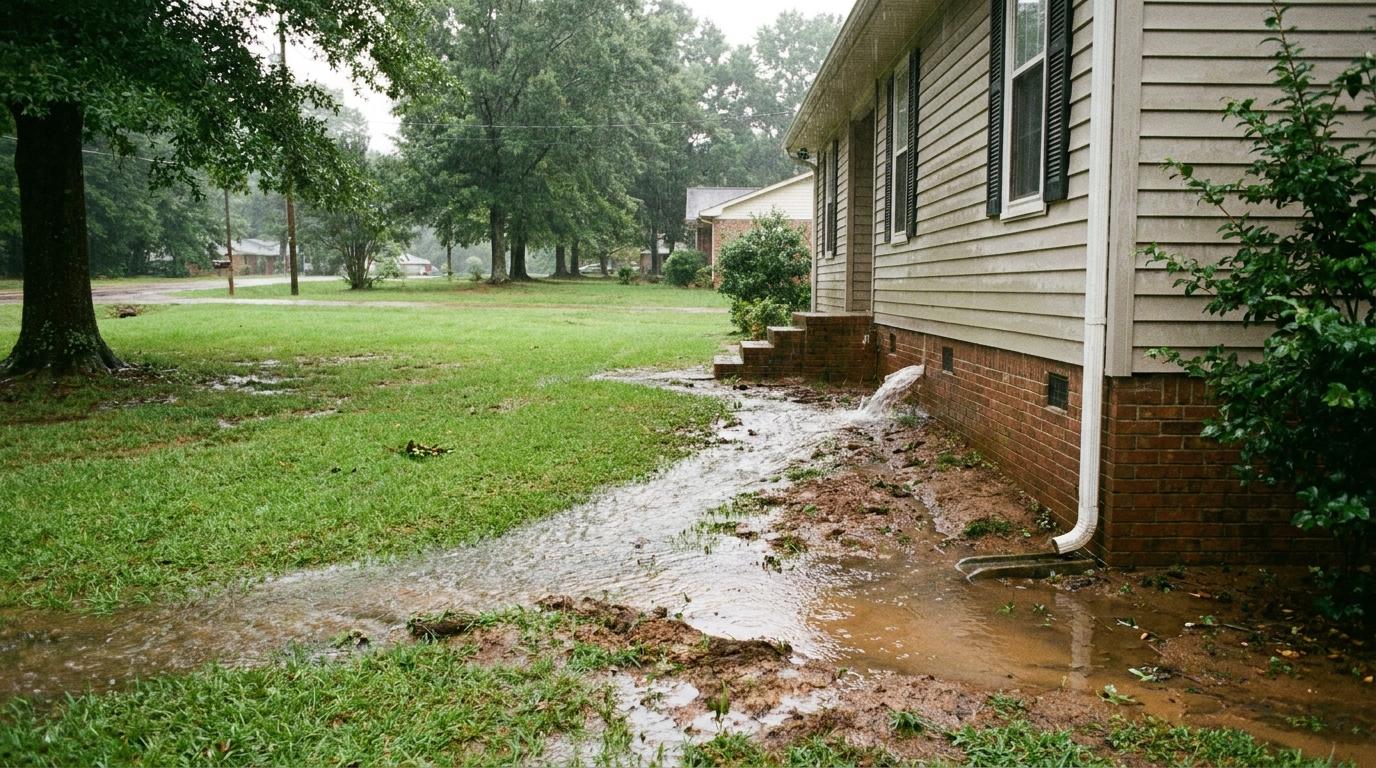
Crawl space insulation in Mississippi performs best when it resists moisture year-round. Closed-cell spray foam and rigid foam board handle the state’s humidity far better than fiberglass, cutting heating and cooling costs by 15% to 20%. Superior Foundation Services installs crawl space insulation systems across the Jackson metro area built for Mississippi’s climate.
Most homeowners assume fiberglass batts work in any part of the house. Below the floor, where Mississippi’s humidity routinely pushes past 70%, fiberglass absorbs moisture, sags off the joists, and starts growing mold within weeks. The right insulation choice depends on how each material handles ground-level moisture.
Why Fiberglass Batts Fail in Humid Crawl Spaces

Fiberglass insulation relies on trapped air pockets to slow heat transfer. When moisture saturates those pockets, the material loses R-value and its insulating ability drops sharply. In Mississippi, where crawl space relative humidity averages 70% to 75% during summer, fiberglass batts absorb water from the surrounding air within weeks of installation.
Wet fiberglass gets heavy. The batts sag away from the subfloor, leaving gaps where conditioned air escapes and energy bills climb. Paper backing on standard batts becomes a food source for mold, and once mold colonizes the insulation, it spreads to floor joists and subflooring. Replacing saturated fiberglass and remediating the resulting mold typically costs $1,500 to $3,500, often more than the original insulation investment. If your crawl space already shows signs of damage, addressing the moisture source matters more than replacing the insulation alone.
Insulation Types That Handle Mississippi’s Moisture

Moving past fiberglass’s moisture issues, only these high-performance insulation types are engineered to permanently resist Mississippi’s ground-level humidity and prevent mold.
Closed-Cell Spray Foam
Closed-cell spray foam delivers R-6 to R-7 per inch and doubles as a vapor barrier at 1.5 inches or greater thickness. It bonds directly to crawl space walls and rim joists, sealing gaps that allow humid air inside. Installed cost runs $3 to $8 per square foot. The material resists moisture absorption, won’t sag, and won’t support mold growth. When combined with a full crawl space encapsulation system, spray foam is the highest-performing option for Mississippi homes.
Rigid Foam Board
Rigid foam board (XPS or polyiso) provides R-4 to R-6.5 per inch at $0.50 to $2.50 per square foot for materials. Contractors cut panels to fit crawl space walls and seal seams with foam tape or caulk. Rigid board resists moisture and won’t degrade in humidity, but it doesn’t seal air gaps the way spray foam does. It works well paired with a separate vapor barrier and dehumidifier as part of a complete encapsulation system.
How Crawl Space Insulation Cuts Energy Bills

insulating your crawl space with moisture-resistant materials is one of the most effective ways to generate immediate, year-round savings on your heating and cooling expenses.
Projected Energy Savings
According to the U.S. Department of Energy, sealed and insulated crawl spaces reduce heating and cooling costs by 15% to 20% compared to vented designs. In a Mississippi home where air conditioning runs five to six months per year, that translates to roughly $200 to $500 in annual savings depending on home size and system efficiency.
Where the Savings Come From
The savings come from two directions. Insulation slows heat transfer through the floor, keeping conditioned air inside the living space instead of losing it into an uncontrolled crawl space. Sealing the space also blocks humid outdoor air from entering, which reduces the load on your HVAC system. Most homeowners in the Jackson metro area recover their crawl space insulation investment within five to eight years through lower utility bills. A crawl space affects more of your home’s energy performance than most homeowners realize, starting with how air moves beneath the floor.
Frequently Asked Questions
Does crawl space insulation help prevent mold?
Moisture-resistant insulation like closed-cell spray foam eliminates the conditions that allow mold to grow. Fiberglass batts trap moisture and feed mold colonies. When paired with full encapsulation, spray foam keeps crawl space humidity below 55%—well under the 60% threshold where mold spores activate. Superior Foundation Services includes insulation recommendations with every crawl space inspection.
What R-value does crawl space insulation need in Mississippi?
Mississippi doesn’t have a statewide building code for crawl space insulation. Municipalities that follow the International Energy Conservation Code require insulation on crawl space walls rather than prescribing a single R-value minimum. Most contractors recommend R-13 to R-19 for floor insulation or R-10 to R-15 on walls, depending on the system and whether the space is fully encapsulated.
Can I insulate my crawl space without encapsulating it?
Adding insulation without addressing moisture is the most common mistake homeowners make. Insulation alone won’t stop humid air from entering through open vents or ground moisture from rising through bare soil. In Mississippi’s climate, insulation performs best as part of a sealed system that includes a vapor barrier and dehumidifier.
Find the Right Insulation for Your Crawl Space
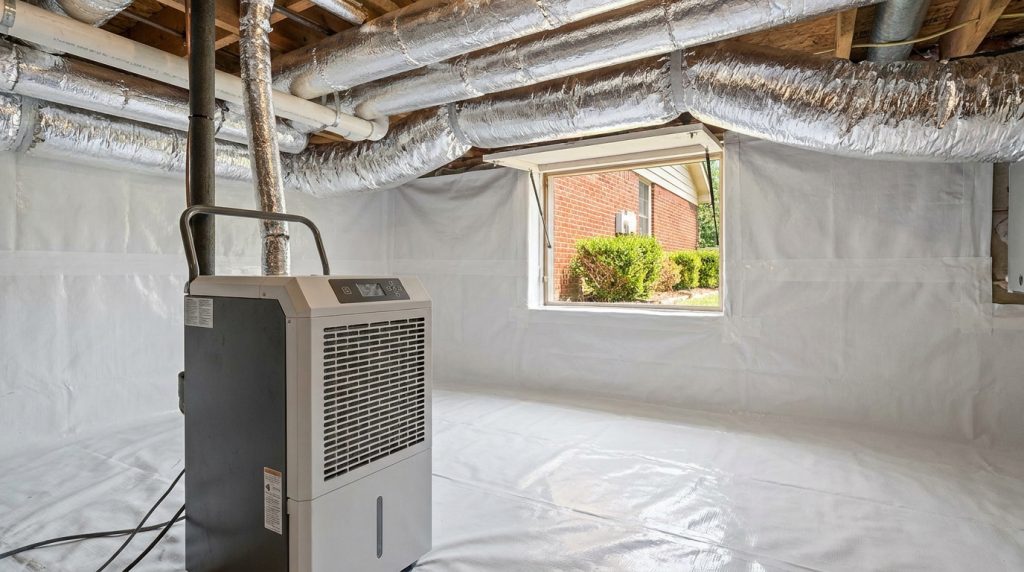
The right crawl space insulation for Mississippi depends on your moisture exposure, budget, and whether the space is already encapsulated. Spray foam handles both insulation and vapor control in one application. Rigid foam board costs less but needs a separate vapor barrier to manage ground moisture. Fiberglass belongs in attics and conditioned spaces, not below your floor where humidity degrades it within a single season.
Superior Foundation Services provides free crawl space inspections for homeowners across the Jackson metro area. Call (601) 941-2125 or schedule your free inspection to find out which insulation fits your home.