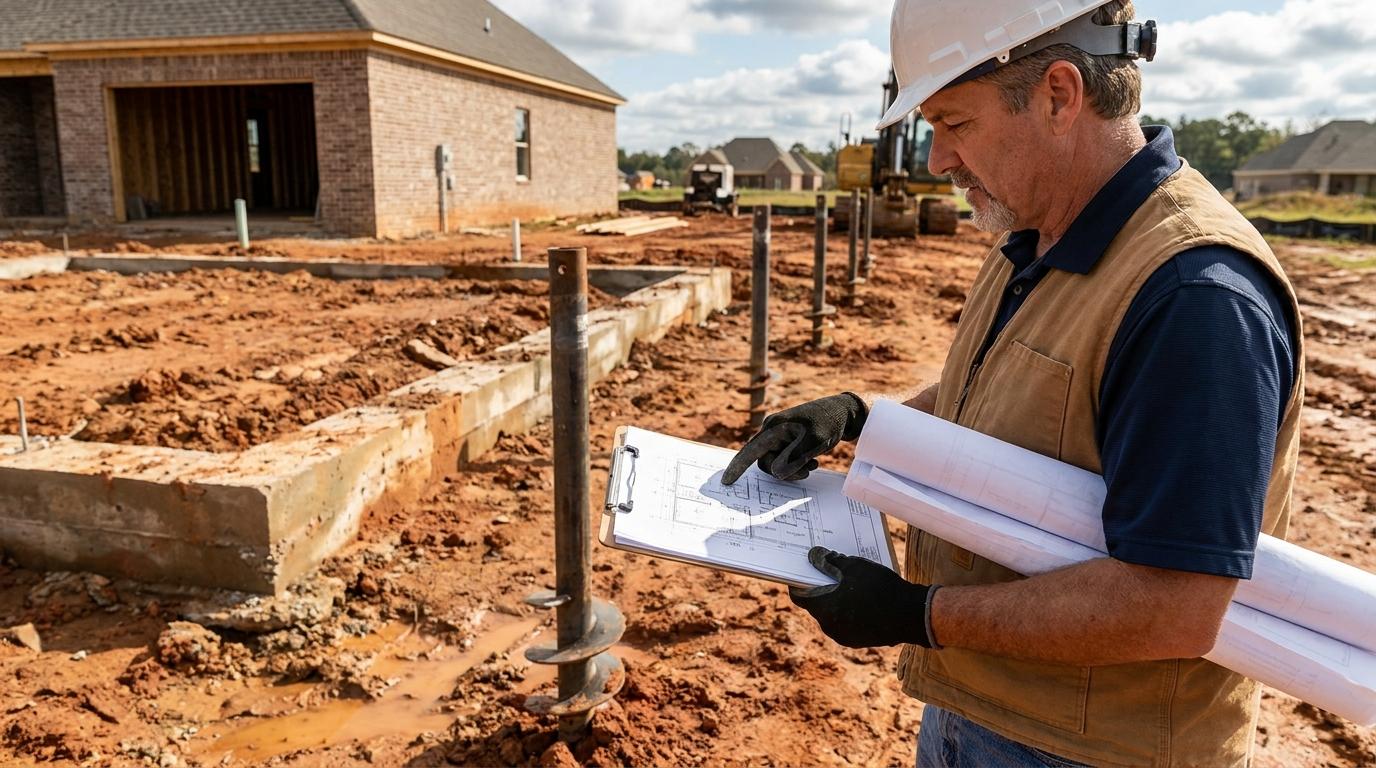
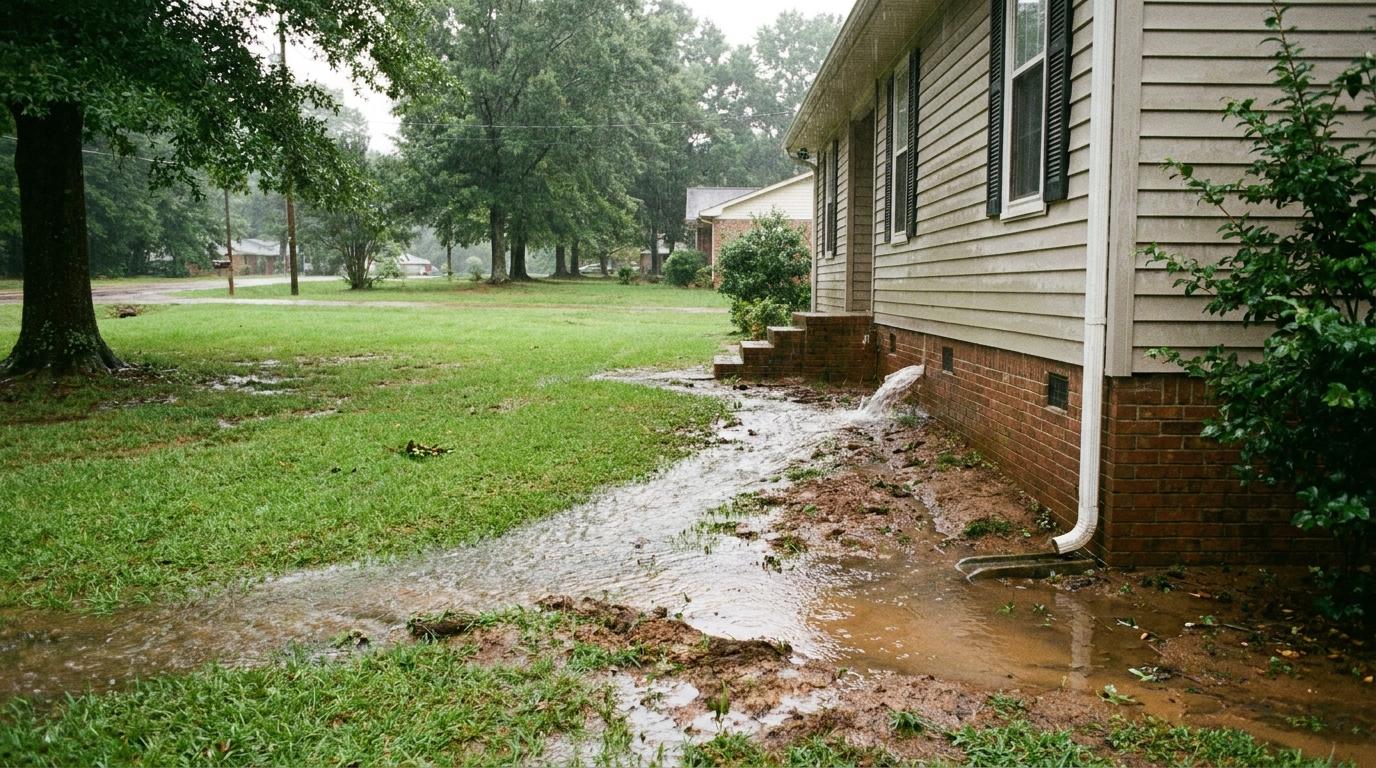
A crawl space vapor barrier is a thin polyethylene sheet laid over exposed soil to reduce ground moisture, while full encapsulation seals the entire crawl space with a heavy-duty barrier, sealed vents, and a dehumidifier. Most Mississippi homes benefit from encapsulation because the state’s humidity and clay soil create moisture pressure that a vapor barrier alone can’t control.
You’ve probably seen both terms used interchangeably online, which makes the decision harder than it needs to be. A vapor barrier and full encapsulation serve the same goal but deliver very different levels of protection. The right choice depends on your home’s moisture levels, structural condition, and how your crawl space interacts with Mississippi’s climate.
Superior Foundation Services installs both systems and helps homeowners choose the right level of protection.
What a Vapor Barrier Does and Where It Falls Short
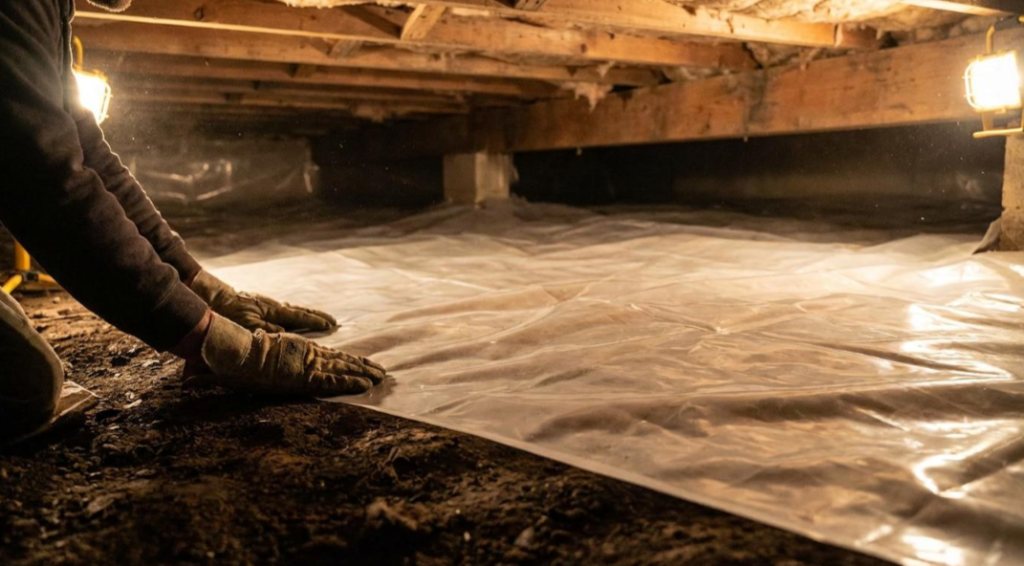
A standard vapor barrier is a 6-mil to 10-mil plastic sheet laid directly on the crawl space floor. It reduces the amount of moisture that evaporates from exposed soil into the air beneath your home. For homes with mild moisture and good natural drainage, a vapor barrier can be enough to keep relative humidity manageable.
The limitation shows up in Mississippi’s climate. When outdoor humidity exceeds 75% for months at a time, moisture enters the crawl space through open vents and foundation gaps rather than just through the soil. A floor-only barrier doesn’t address airborne moisture, so condensation still forms on joists, ductwork, and subflooring even with the barrier in place.
How Full Encapsulation Works
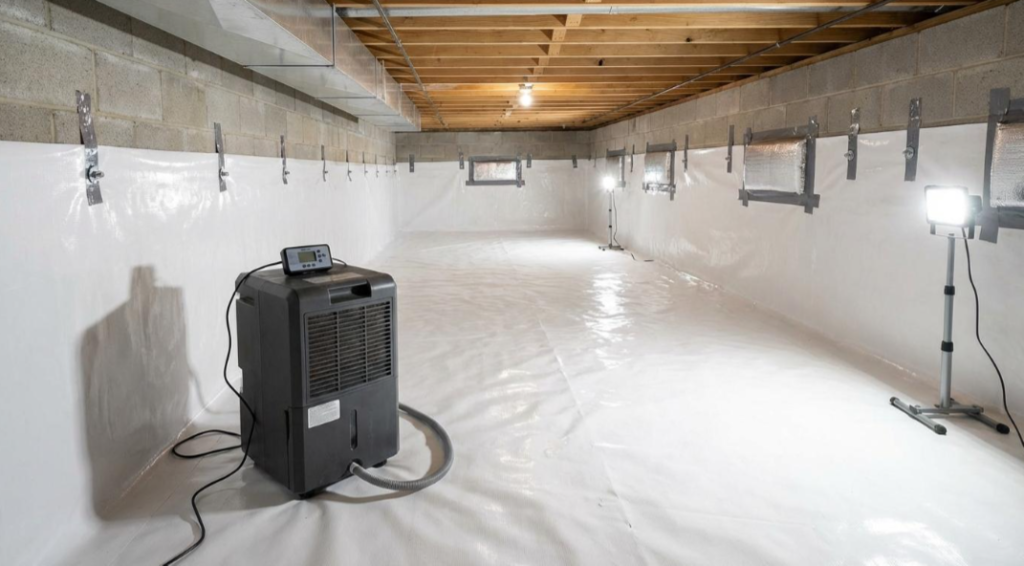
Full crawl space encapsulation covers both the floor and foundation walls with a 20-mil reinforced barrier, seals all vents and penetrations, and installs a dehumidifier to actively manage humidity levels. This creates a controlled environment that maintains a relative humidity between 45% and 55% regardless of outdoor conditions.
Encapsulation addresses every moisture entry point simultaneously. Homes in Madison and Central Mississippi sit on Yazoo clay that swells significantly during wet seasons, pushing groundwater laterally against foundation walls. Encapsulation with perimeter drainage handles both ground moisture and airborne humidity, which is why it outperforms vapor barriers in this region.
Choosing the Right Option for Your Home

A vapor barrier makes sense if your crawl space stays relatively dry, you have no history of standing water, and your home’s ventilation handles humidity adequately. Vapor barrier installation typically costs $1,500 to $3,000 and takes a single day.
Encapsulation is the better choice when you’ve seen standing water, mold growth, pest activity, or signs of crawl space damage. The $5,000 to $15,000 investment protects your home’s structure, air quality, and energy efficiency over the long term. In Mississippi’s climate, most homes with existing moisture problems need encapsulation to actually solve the issue rather than slow it down.
Frequently Asked Questions
Can I upgrade from a vapor barrier to full encapsulation later?
Yes, upgrading from a vapor barrier to encapsulation is straightforward because the existing barrier can remain as a base layer. Superior Foundation Services often completes upgrades for homeowners who first installed a vapor barrier but later experienced moisture problems that required a more comprehensive solution.
How long does each system last in Mississippi’s climate?
A standard 6-mil vapor barrier typically has a service life of five to eight years before it needs replacement due to tears, shifting, and UV degradation. A 20-mil encapsulation barrier carries manufacturer ratings of 20 to 25 years with proper installation. The dehumidifier included in encapsulation systems needs its filter cleaned annually and replaced roughly every eight to ten years.
Does encapsulation affect my home insurance or resale value?
Encapsulation can positively affect resale value because home inspectors view sealed crawl spaces as a significant structural improvement. Some insurance providers offer reduced premiums for encapsulated crawl spaces since they lower the risk of water damage and mold claims. Documentation of the installation and warranty helps during both insurance reviews and home sales.
Choose the Moisture Solution That Fits Your Home
The decision between a vapor barrier and encapsulation comes down to how much moisture your crawl space faces and how completely you want to eliminate it. A barrier slows ground moisture. Encapsulation controls the entire environment. For most Mississippi homes dealing with humidity, clay soil, and seasonal rainfall, encapsulation delivers the lasting result.
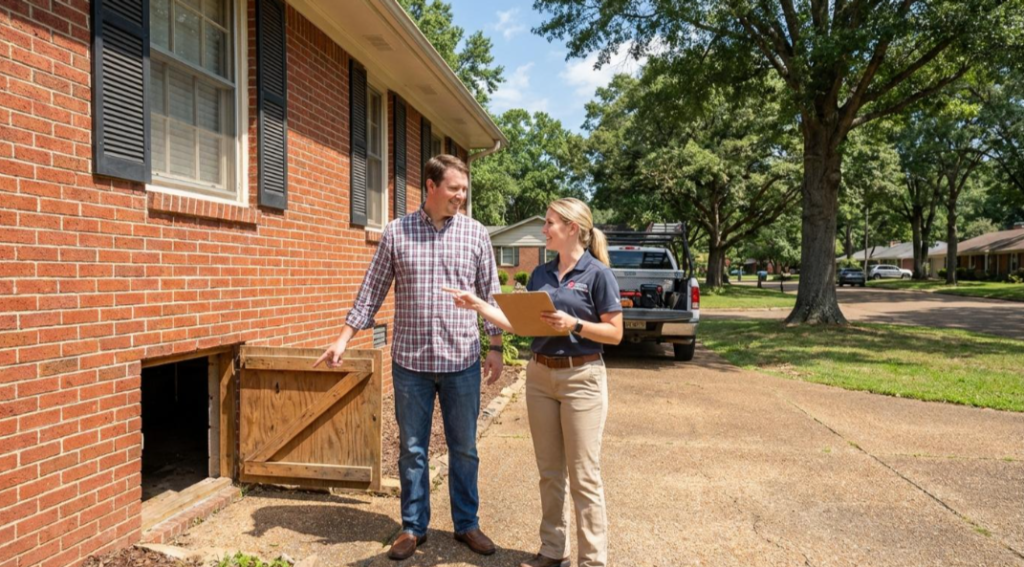
Schedule a free crawl space inspection with Superior Foundation Services at (601) 941-2125 to find out which system your home needs.