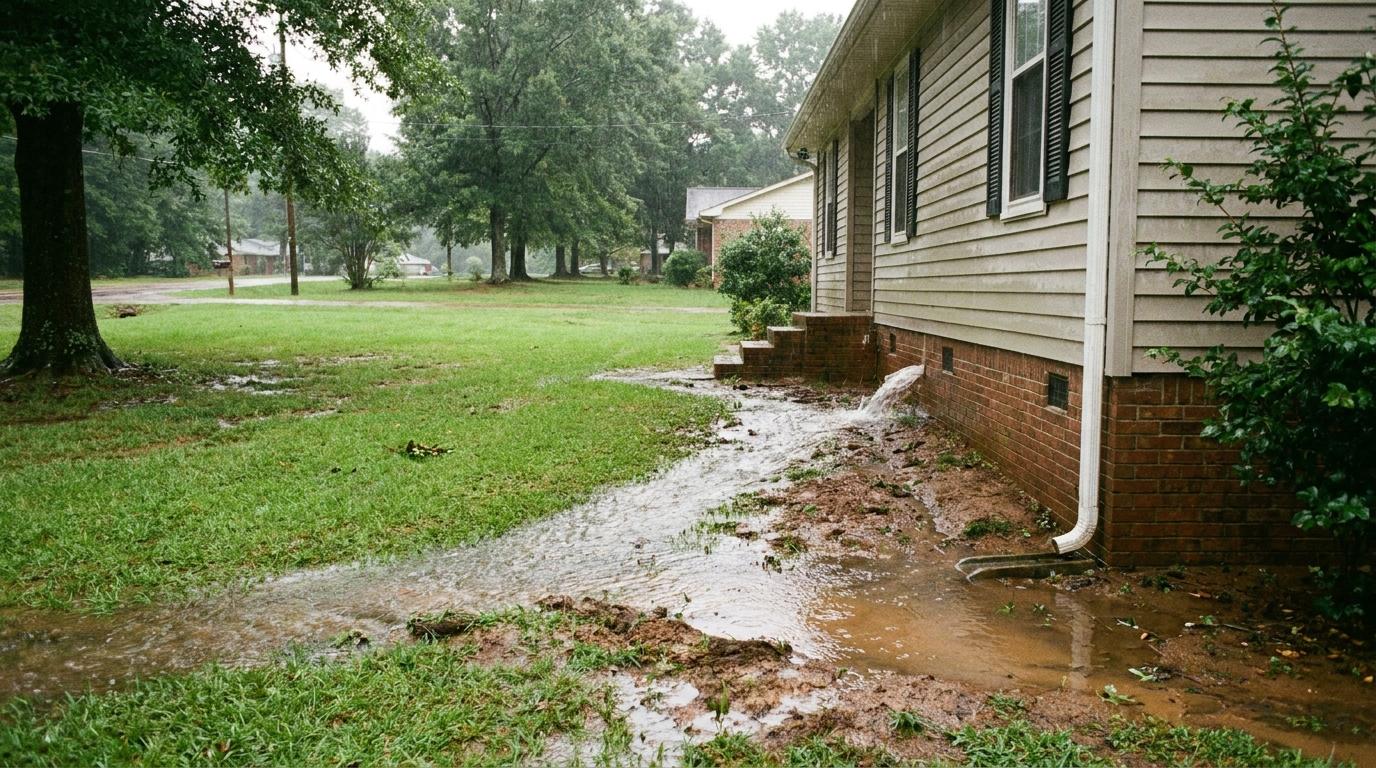
Here’s something most Mississippi homeowners don’t realize: that clogged French drain backing up your yard probably doesn’t need a plumber’s snake or a $300 service call.
In fact, after maintaining drainage systems across Jackson, Ridgeland, Brandon, and Clinton for over 15 years, Superior Foundation Services has found that many clogged French drains can be cleared by homeowners using nothing more than a garden hose, a basic drain snake, and about an hour of their time. The trick is knowing the right steps—and when to stop and call for help.
Here’s how to clean your French drain yourself and keep groundwater flowing away from your foundation.
Why Do French Drains Clog in Mississippi?
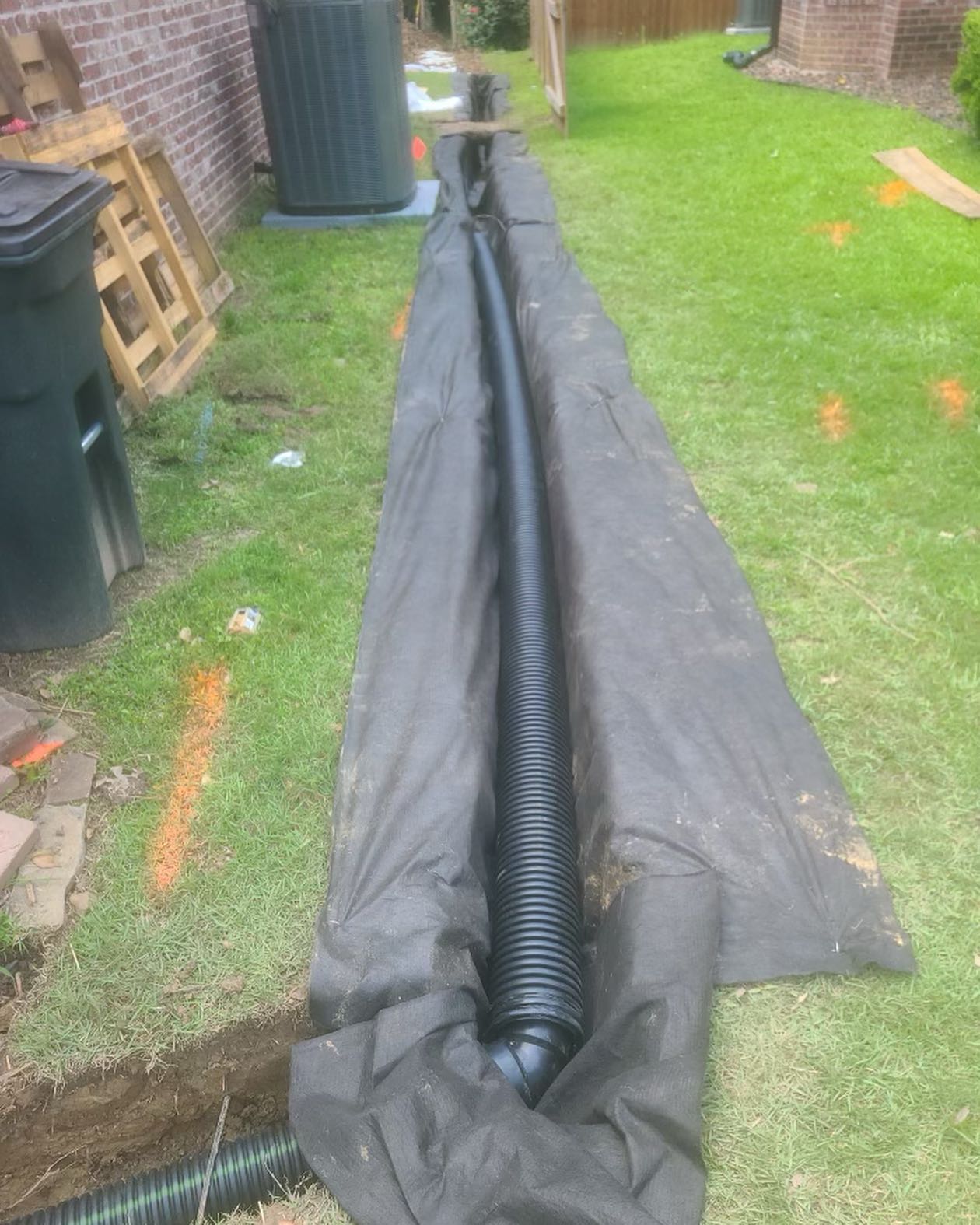
French drains are vital in our humid, clay‑rich climate. They collect groundwater and divert it away from foundations, preventing the expansive soils around Madison County from swelling. But the same clay particles that cause the problem also clog the fix: gravel settles, soil filters through the fabric, and roots intrude from oaks or crepe myrtles.
We’ve cleaned hundreds of systems for homeowners in Brandon and Clinton who thought their plastic pipe had collapsed. In almost every case, the issue was debris inside the line rather than damage to the pipe itself.
Tools You’ll Need
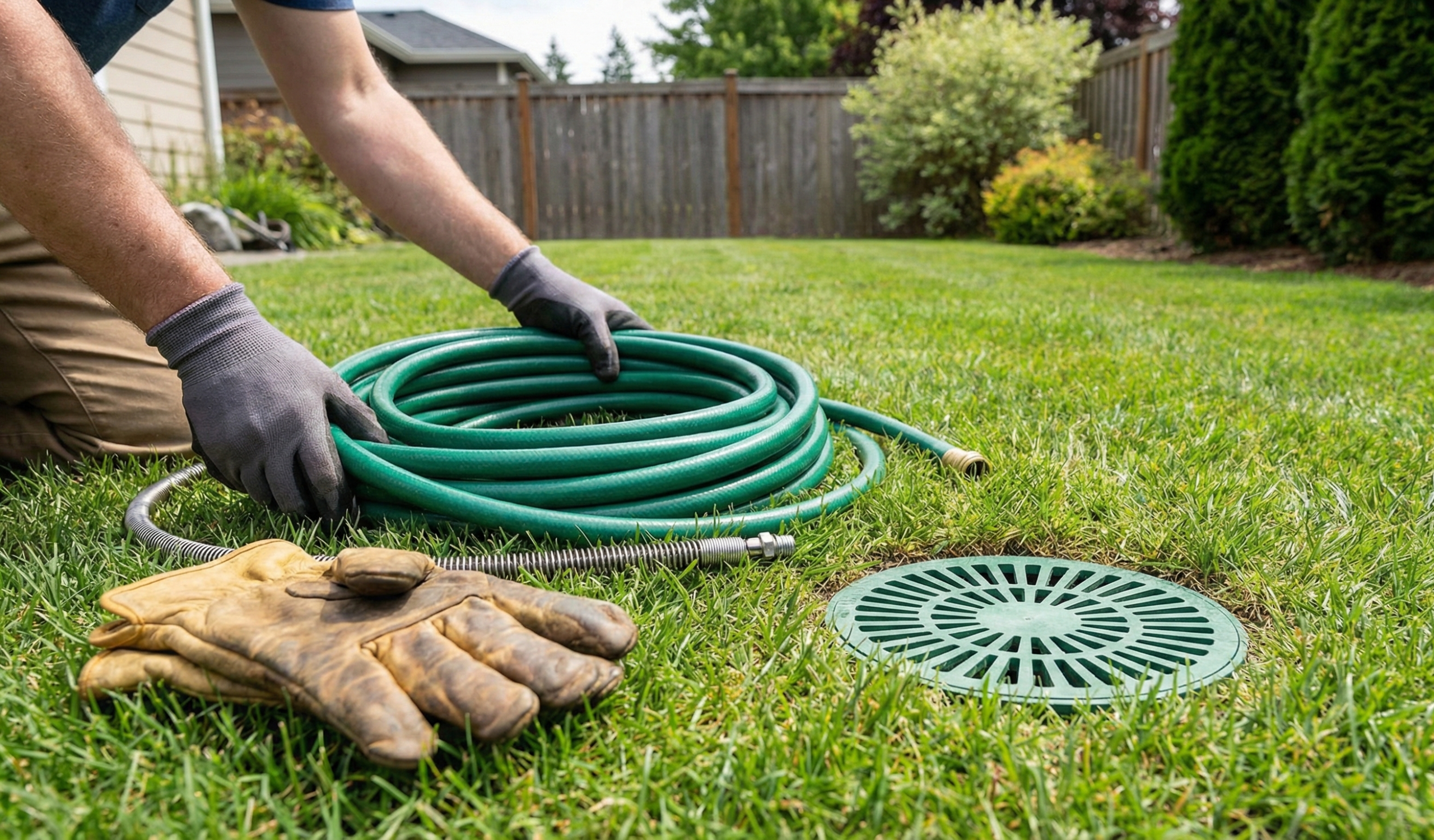
Before you start, gather these basic items. Most homeowners already have them in the garage or can pick them up at any hardware store.
- Sturdy garden hose with a high‑pressure nozzle
- 1/2″–3/4″ flexible drain snake or plumber’s auger with a flexible head
- Wet/dry shop vacuum (optional but helpful for dry material)
- Long screwdriver or rod for stirring gravel
- Protective gloves and safety glasses
Step‑by‑Step Cleaning Process
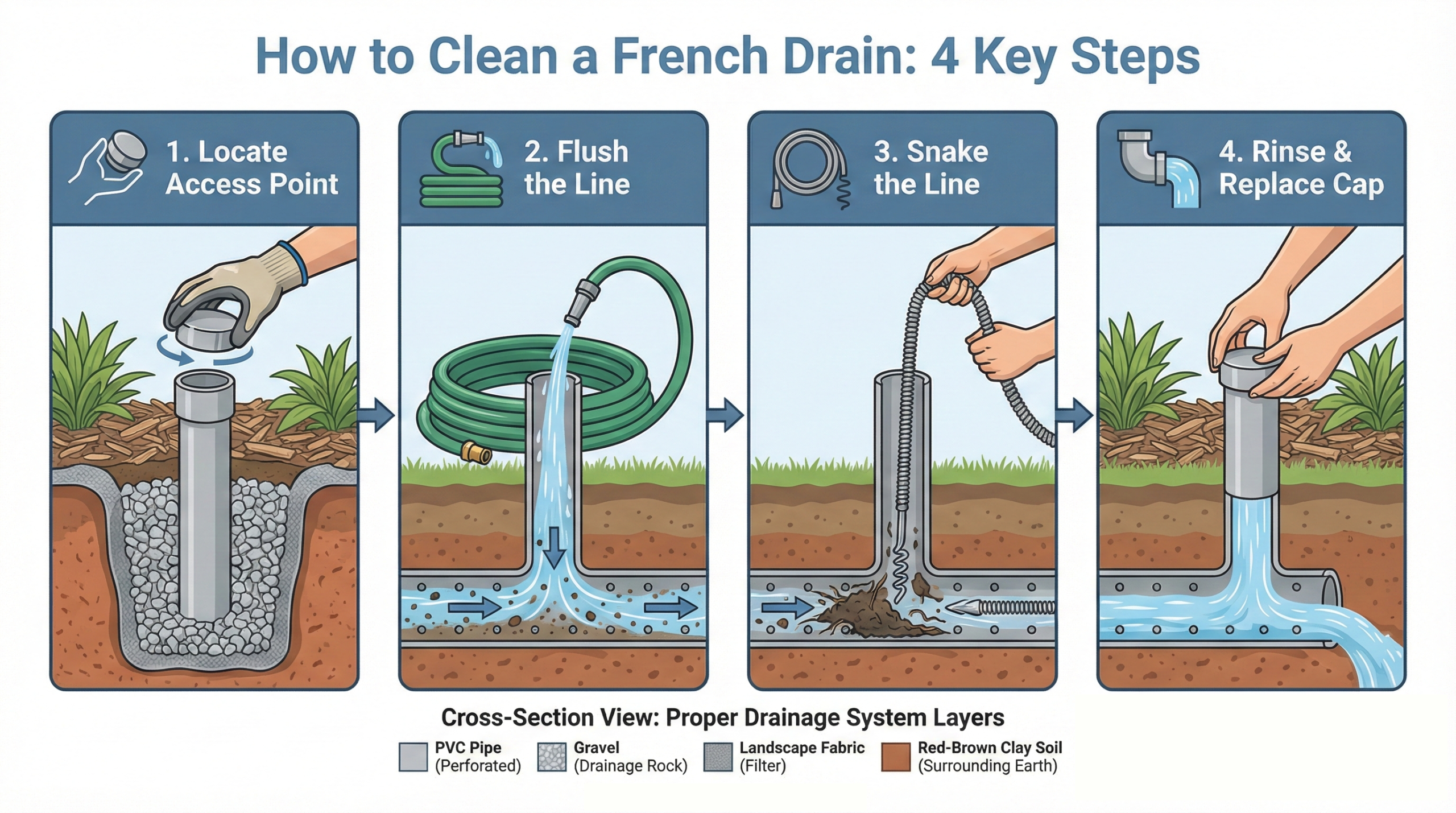
The cleaning process follows a logical sequence: locate, flush, clear blockages, and verify flow. Here’s how to do each step correctly.
- Locate the Access Point: Most French drains have an inspection port or a removable grate. If yours is buried, dig gently until you find the top of the riser. In older Ridgeland homes, we sometimes uncover a 2‑in. PVC elbow. Leave it in place—that angled fitting helps prevent roots from growing into the line.
- Remove the Cap: Pull off the lid or grate and clear away any surface leaves or soil.
- Flush with Water: Insert the hose and run water at full blast for several minutes. In clay soils, this often pushes out the bulk of the silt that has built up. Watch for water exiting the lower end of the line. If it isn’t flowing freely, you’ll need to snake it.
- Snake the Line if Needed: Feed the snake slowly into the pipe, twisting clockwise. If you hit resistance, rock the snake back and forth while advancing to break up the clog. When you pull it back, you’ll see a slurry of muck. Repeat until the snake emerges clean.
- Stir the Gravel: Use the screwdriver to agitate the gravel around the pipe. This helps dislodge fines that may be circulating just outside the perforations.
- Vacuum Out Debris: If you have a shop vac, use it to suck out the loosened material from the access port. This step gives you the most thorough cleaning.
- Rinse Again: Once the snake comes back clean, flush the line one more time to be sure water runs clear and freely.
- Replace the Cap and Cover: Put the lid back on and refill any soil you removed.
When To Call a Pro
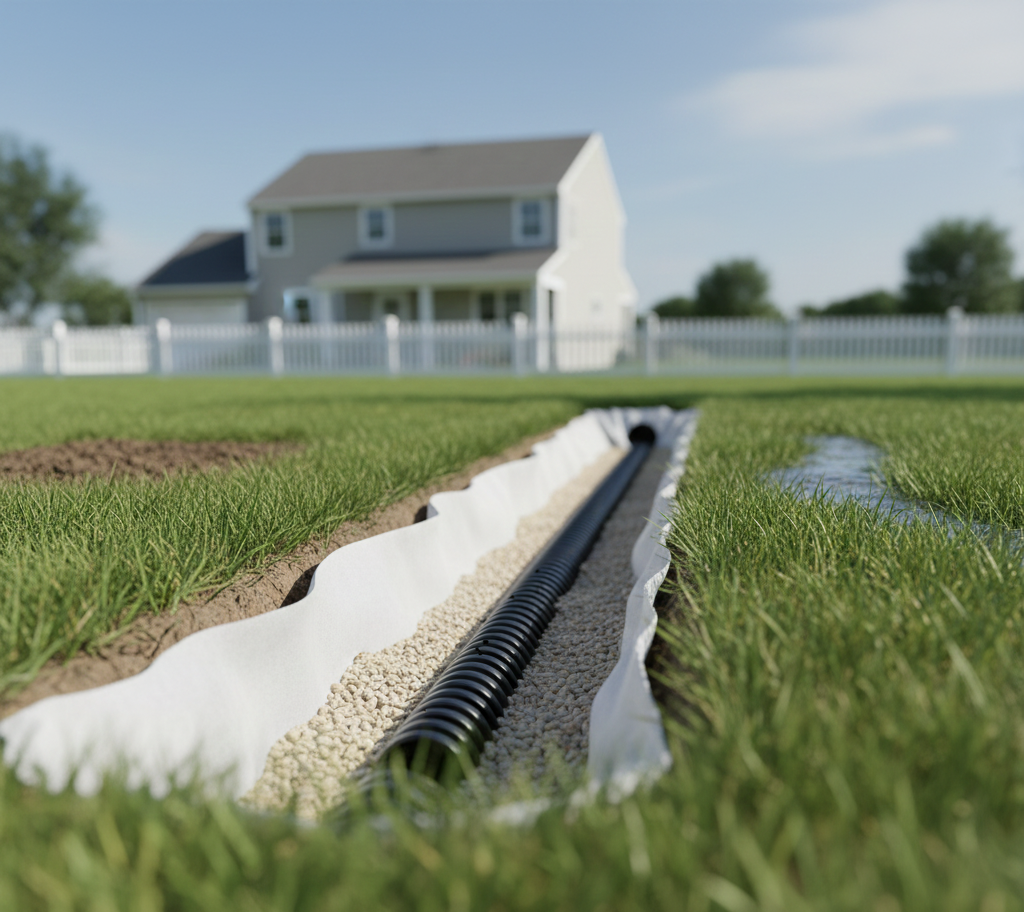
If you encounter any of the following, stop and call a specialist:
- Pipe collapse or obvious breakage
- Roots that won’t budge with a snake
- Continued backups after cleaning
- Standing water in the trench after flushing
These signs often point to foundation movement or pipe deterioration. Our team at Superior Foundation Services can evaluate the whole system and recommend repairs or replacement.
Maintenance Schedule and Tips

The best way to avoid spending your Saturday unclogging a French drain? Don’t let it get clogged in the first place.
- Inspect twice a year, ideally in spring and fall after heavy rain.
- Keep grass clippings, mulch, and leaves away from access caps to keep organic matter from falling in.
- Avoid planting trees or shrubs within 20 feet of the drain line.
- Consider adding a sediment trap or larger access point if you routinely clear a lot of gunk.
Regular cleaning keeps your perimeter drainage working, which in turn protects the foundation piers and slabs.
Get Professional Help When You Need It
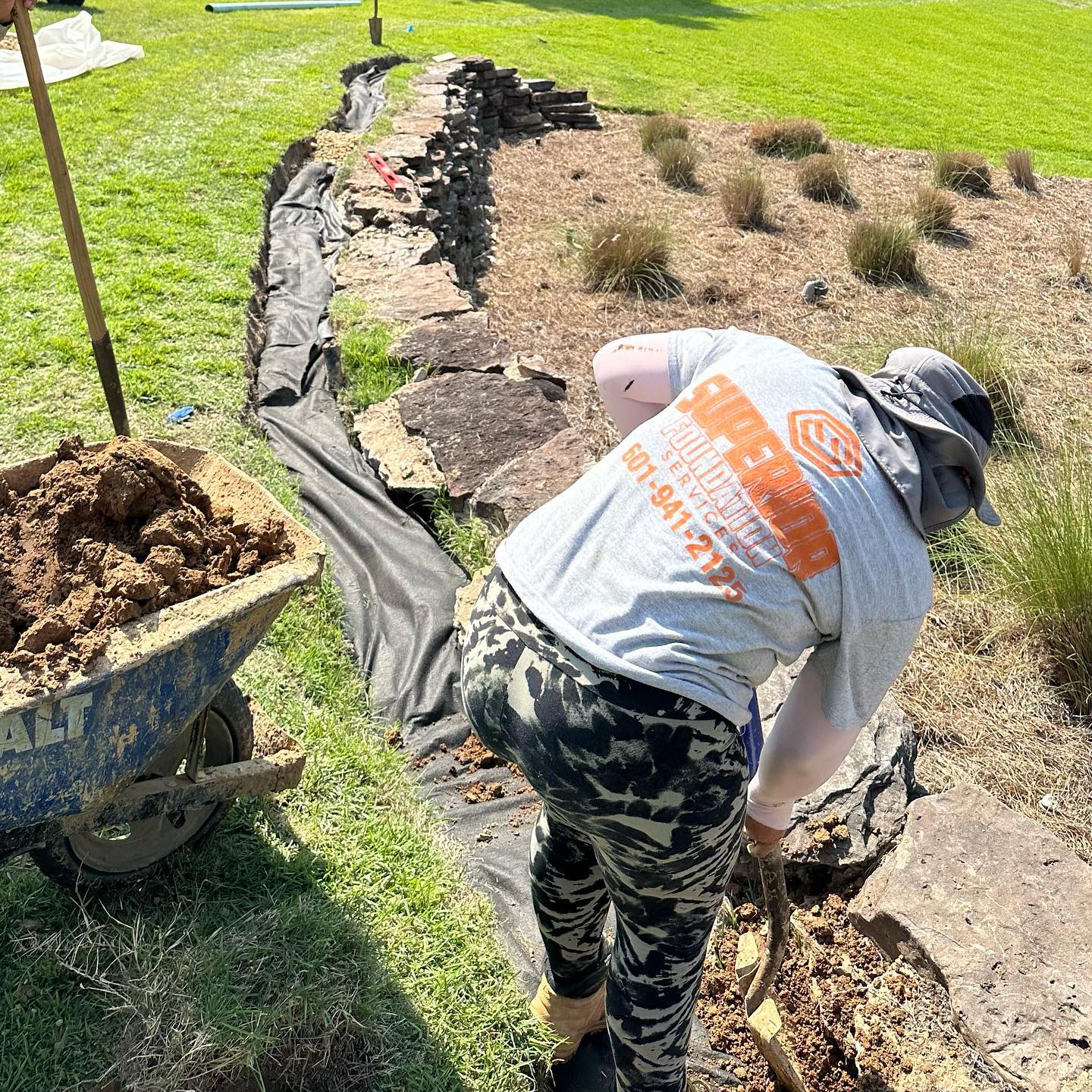
Keeping your French drain clear is a simple DIY task that saves money and prevents structural problems. But if you’ve cleaned your drain and water’s still pooling, or you suspect foundation issues, Superior Foundation Services can help.
We serve Jackson, Ridgeland, Madison, Brandon, and surrounding Mississippi communities with drainage assessments that help identify whether you’re dealing with a clog or a deeper foundation problem.
Schedule your free drainage inspection today. Call (601) 941-2125 or send us a message.