Commercial concrete coatings protect high-traffic facility floors from chemical damage, impact, and moisture penetration. Epoxy systems cost $4 to $10 per square foot for standard applications, while polyaspartic and urethane cement systems range from $5 to $20 per square foot depending on facility requirements. Superior Foundation Services protects commercial floors with professional coating systems for businesses across Mississippi.
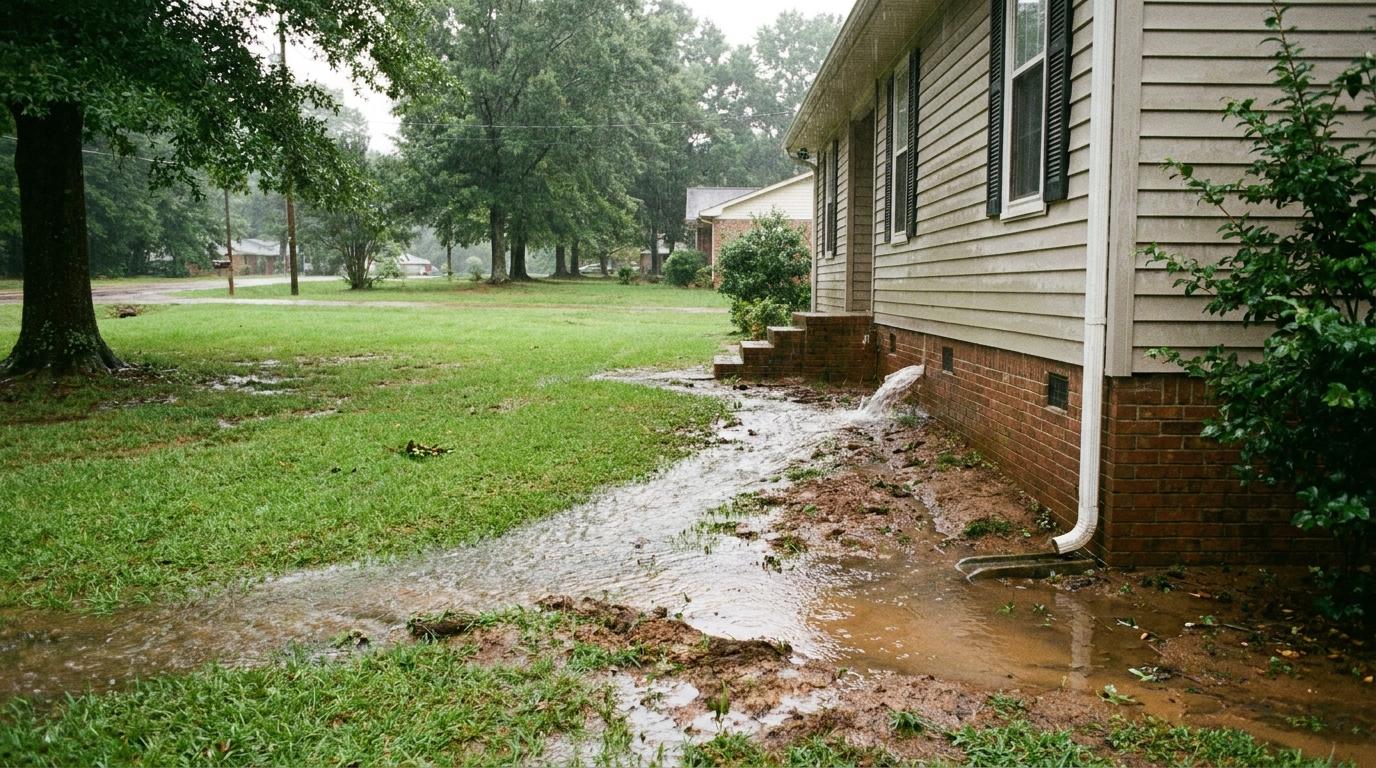
Mississippi’s combination of 56 inches of annual rainfall and summer humidity above 70% puts commercial concrete floors under constant moisture stress. Uncoated warehouse slabs absorb ground moisture through capillary action, which weakens the concrete surface and creates dust that settles on inventory. In restaurant kitchens, bare concrete harbors bacteria in its pores. The concrete coating solution has to match the specific demands of each facility type.
Coating Options by Facility Type
Each commercial environment puts different stress on a floor. The coating system needs to match the traffic pattern, chemical exposure, and sanitation requirements of your specific operation.
Warehouses and Distribution Centers
Forklift traffic, pallet drops, and rolling loads demand impact resistance above all else. The distribution facilities along I-20 and I-55 in Jackson, Pearl, and Richland routinely move thousands of pallets per shift, which is why an epoxy base coat with a polyaspartic topcoat handles the heavy use while resisting oil, hydraulic fluid, and chemical spills.
Forklift traffic, pallet drops, and rolling loads demand impact resistance above all else. An epoxy base coat with a polyaspartic topcoat handles heavy use while resisting oil, hydraulic fluid, and chemical spills. OSHA-compliant color-coded lane markings integrate directly into the coating system. Manufacturer ratings indicate 15 to 20 years of service with proper maintenance.
Restaurant and Commercial Kitchens
Food-service floors require seamless, non-porous surfaces that meet FDA and USDA performance criteria. Urethane cement handles thermal shock from hot water washdowns and resists aggressive commercial cleaners. For dining areas, decorative polyaspartic provides both aesthetics and durability. Commercial epoxy flooring remains a cost-effective option for back-of-house applications where UV exposure isn’t a concern.
Retail Spaces
Retail floors need to look professional under constant foot traffic. Polyaspartic coatings provide decorative finishes, including metallic and flake options, with cure times that minimize business disruption. Most retail installations are complete in 24 hours, compared to five to seven days for epoxy systems.
Why Surface Prep Determines Coating Lifespan
Surface preparation accounts for 30% to 40% of a commercial coating project’s total cost, and it’s where most coating failures originate. Diamond grinding or shot blasting creates the surface profile that lets the coating bond mechanically to the concrete. Without proper profiling, even premium coatings delaminate within months.
Moisture testing is critical in Mississippi’s climate. Concrete slabs absorb ground moisture constantly, and coating over a slab with excessive moisture vapor transmission causes blistering and adhesion failure. A professional installer tests moisture levels before recommending a system. Superior Foundation Services includes moisture testing and surface profiling in every commercial coating project.
Slip Resistance and Safety Compliance
Commercial floors must meet slip resistance standards under ADA and OSHA guidelines. The ANSI A137.1 standard requires a minimum dynamic coefficient of friction (DCOF) of 0.42 for wet commercial surfaces. Kitchens and food-processing areas with oil or grease exposure need a DCOF of 0.55 or higher.
Anti-slip additives like aluminum oxide or polymer grit are mixed into the topcoat to achieve the required friction levels. The additive type and concentration are adjusted based on the specific contamination risks in your facility. A glossy showroom floor and a commercial kitchen require different slip-resistance profiles, and the coating system should be specified accordingly.
Frequently Asked Questions
How long does a commercial concrete coating last?
Standard epoxy systems are rated for 5 to 10 years under heavy forklift traffic. Multi-layer systems with polyaspartic or urethane topcoats carry ratings of 15 to 20 years. Urethane cement floors in food-processing facilities carry manufacturer ratings exceeding 20 years. Lifespan depends on traffic intensity, chemical exposure, and whether the facility follows a maintenance schedule.
Can you coat a commercial floor without shutting down the business?
Polyaspartic systems allow phased installation. Contractors coat one section at a time, and each section is ready for foot traffic within four to six hours. Full vehicle traffic resumes in 24 hours per section. Epoxy requires longer cure times and typically needs a full weekend or extended shutdown.
Do commercial floor coatings meet food safety requirements?
The FDA and USDA don’t certify specific coating products. They establish performance criteria: seamless, non-porous, impervious to moisture, and able to withstand commercial cleaning and sanitization. Epoxy, polyaspartic, polyurea, and urethane cement systems all qualify when properly specified and installed.
Keep Your Facility Floor Working as Hard as You Do
The right commercial coating protects your concrete, meets safety standards, and minimizes operational downtime. Warehouses need impact resistance. Kitchens need thermal and chemical resistance. Retail spaces need aesthetics and fast installation. The coating system should be matched to your facility’s specific demands, not sold as a one-size-fits-all product.
Superior Foundation Services provides on-site assessments for commercial floor coating projects across Mississippi. Call (601) 941-2125 or request your free commercial estimate to get a system recommendation for your facility.